When choosing a maneki-neko, one of the first things you will notice is which paw it is raising: the right paw, the left paw, or sometimes both. So, what kind of wish does each pose represent? The Right Paw Invites Wealth and Good Fortune A maneki-neko raising its right paw is generally believed to invite money, financial prosperity, and good fortune. It is often chosen by shops and companies hoping…
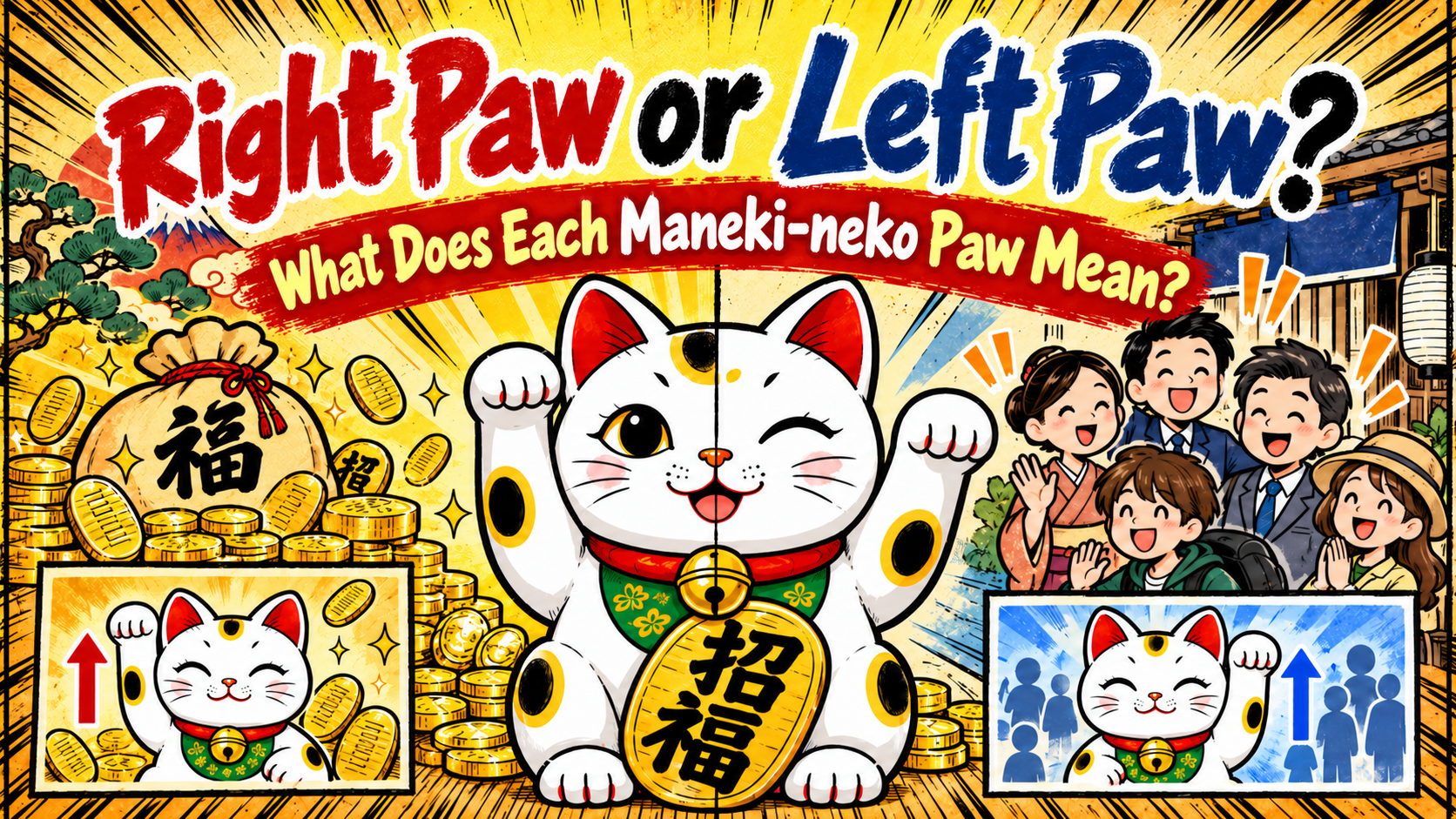
When choosing a maneki-neko, one of the first things you will notice is which paw it is raising: the right paw, the left paw, or sometimes both. So, what kind of wish does each pose represent?
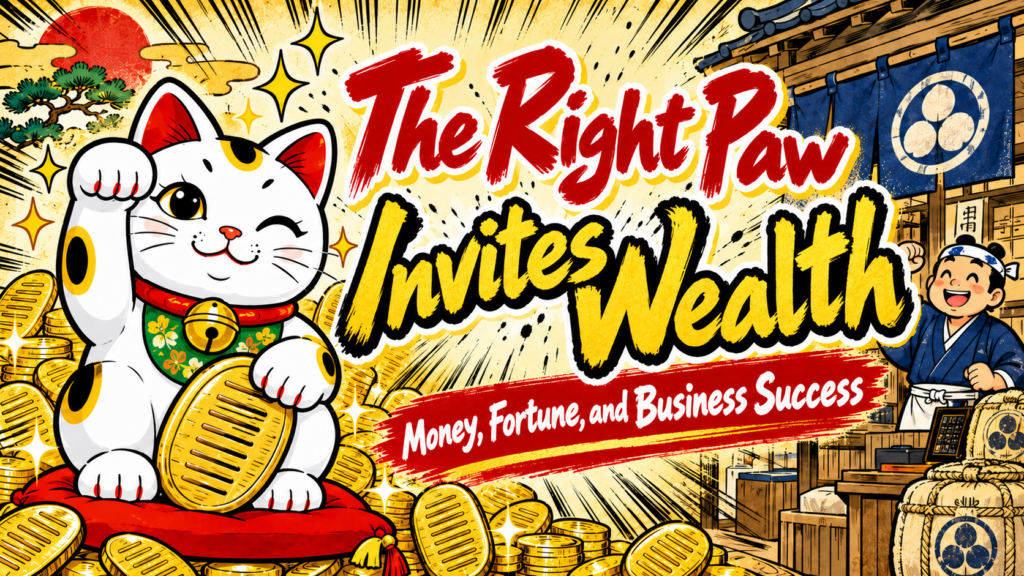
A maneki-neko raising its right paw is generally believed to invite money, financial prosperity, and good fortune. It is often chosen by shops and companies hoping for increased sales and business success, as well as by people who want to welcome good luck into their homes.
However, the right-paw pose is sometimes described as being intended specifically for the home, so its meaning is not always the same everywhere. What matters most is choosing a cat while thinking about the kind of fortune you want to invite into your life.
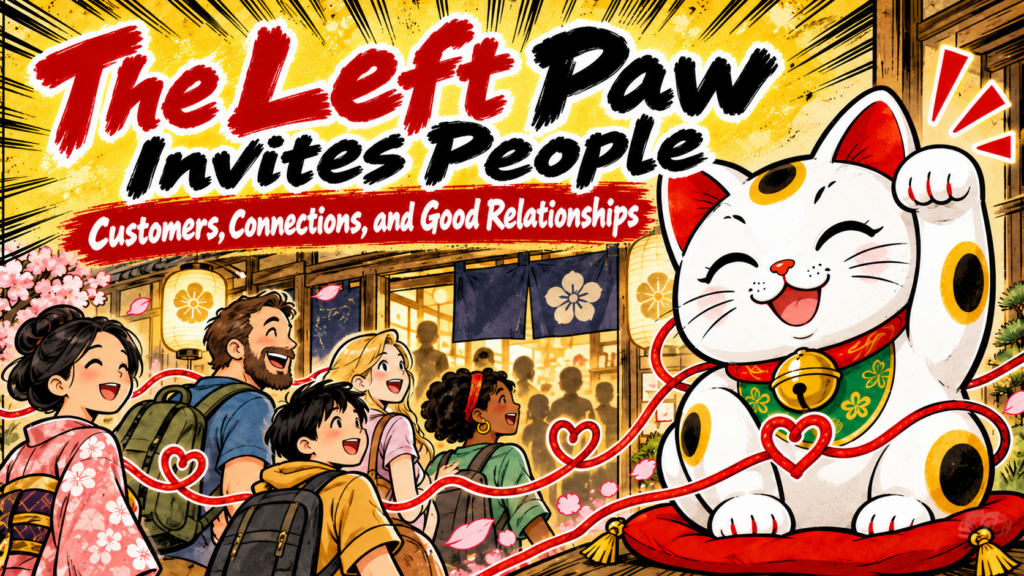
A maneki-neko raising its left paw is said to attract people, customers, and meaningful relationships. This is why left-paw cats are often displayed at the entrances of restaurants, shops, and other businesses.
Today, their meaning extends beyond attracting customers. They are also associated with new friendships, business connections, romance, marriage, and other positive encounters.
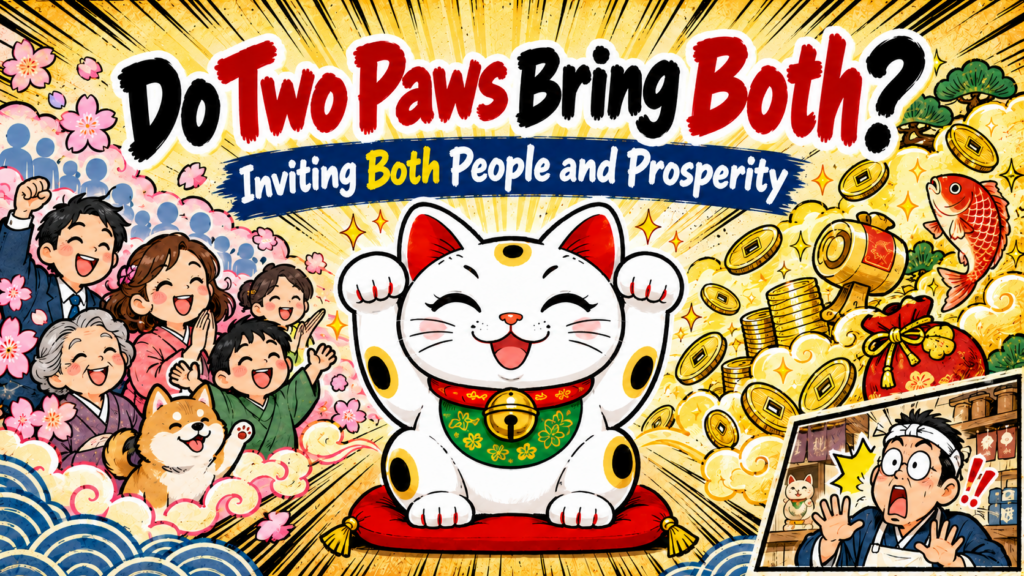
A maneki-neko raising both paws is believed to invite both wealth and people, making it appear especially auspicious. However, some people avoid this design because the pose resembles the Japanese gesture of raising both hands in surrender—an expression known as oteage, meaning to give up or be at a loss.
Interpretations of lucky charms often change according to wordplay, local customs, and personal beliefs. If two raised paws feel like a powerful symbol of good fortune to you, then that is the meaning that matters.
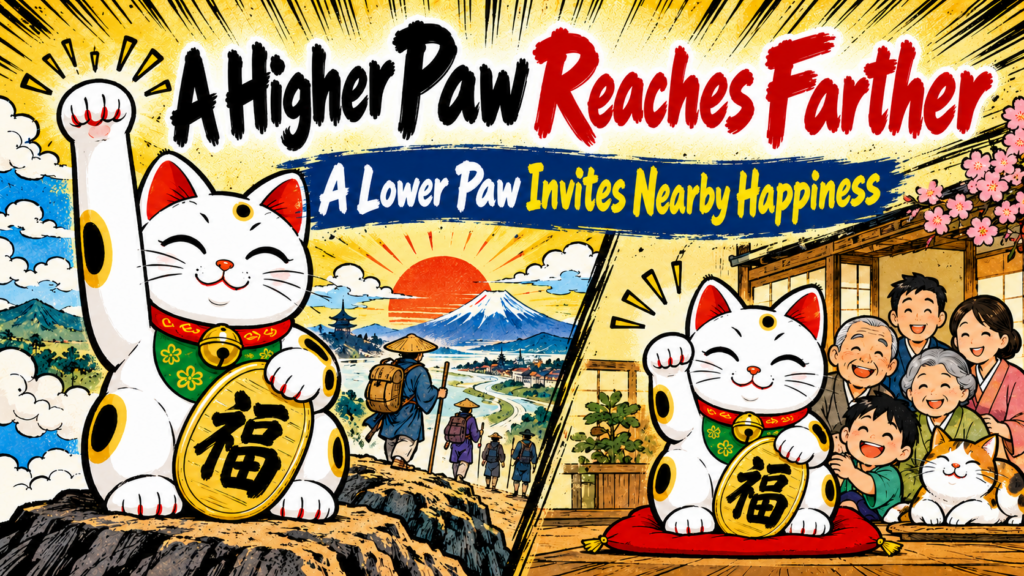
It is sometimes said that a cat raising its paw above its ears invites fortune from far away, while one holding its paw modestly beside its face attracts good fortune from nearby.
A high paw may represent customers from distant places or major opportunities. A lower paw may symbolize relationships with people close to you and happiness in everyday life.
This is not a strict rule handed down unchanged from ancient times, but one of the many interpretations that has developed within maneki-neko culture.
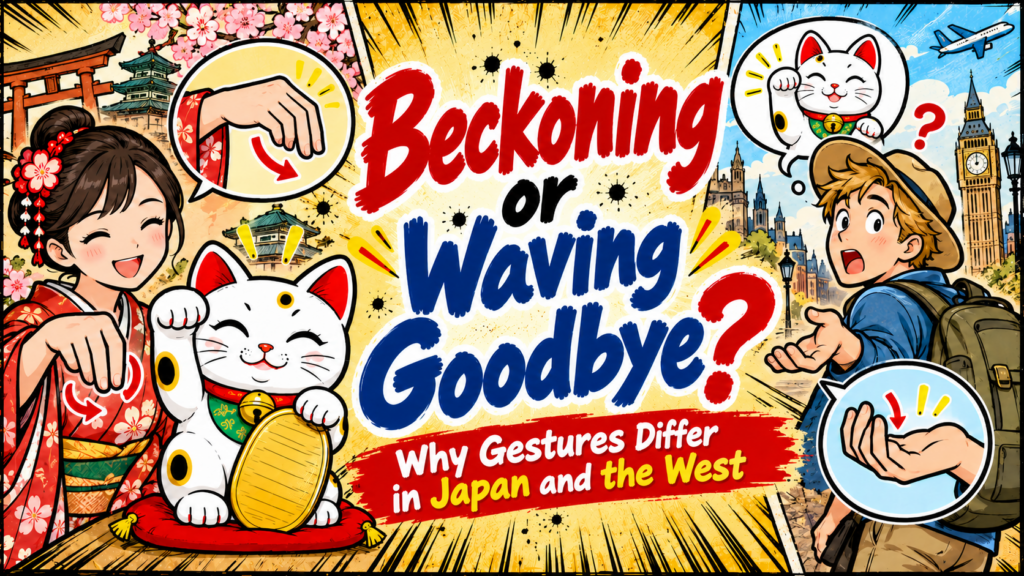
In Japan, people beckon someone by facing the palm downward and curling the fingers toward themselves. This is why a maneki-neko’s paw usually faces forward or downward.
In many Western countries, however, people beckon with the palm facing upward. For travelers seeing a maneki-neko for the first time, the gesture may look less like an invitation and more like the cat is waving goodbye.
Some maneki-neko made for overseas markets have therefore been designed with their palms facing upward to make the beckoning gesture easier for international audiences to recognize.
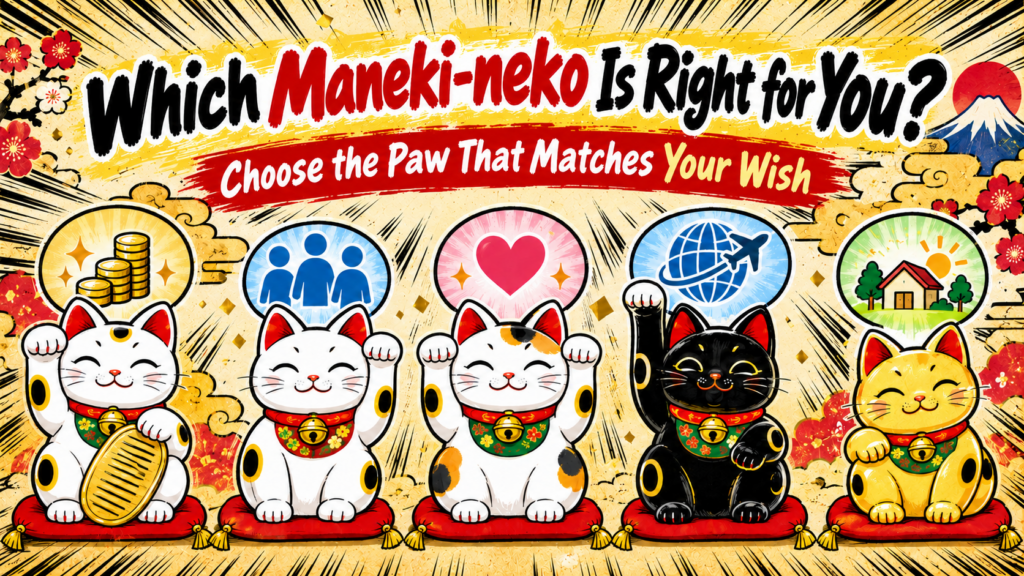
In the end, pay attention to the cat’s expression, the explanation provided by its maker, and your own first impression.
A maneki-neko does not impose a wish upon you. It is a lucky charm that gives shape to the future you hope to welcome.
 Basics
 Basics