日本語
TOP Articles About Contact 日本語
PRSponsored content enquiries Learn more ›
FEATURE 2026.09.12 12. What Is Marushime-neko? The Edo-Era Lucky Cat That Led to Today’s Maneki-neko history

12. What Is Marushime-neko? The Edo-Era Lucky Cat That Led to Today’s Maneki-neko

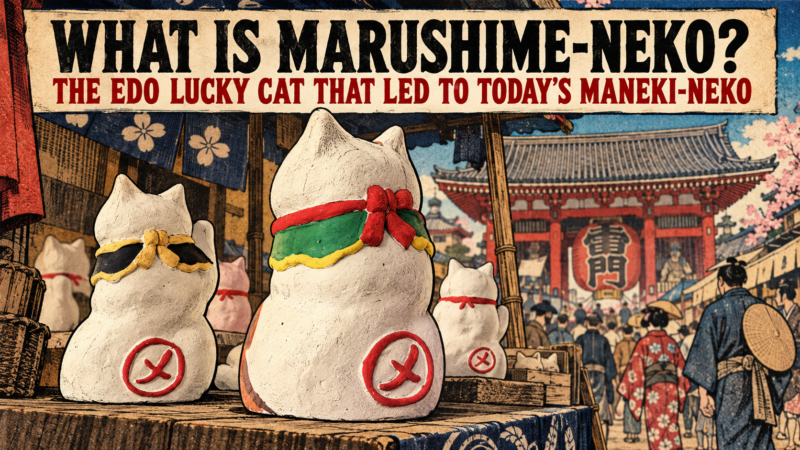
The Marushime-neko is an essential part of the history of the maneki-neko. Associated with Imado ware, these Edo-period clay cat figurines have attracted attention as an early form connected to the development of the modern maneki-neko. The Wishes Represented by “Maru” and “Shime” The name Marushime-neko comes from a symbol combining a circle—maru in Japanese—with the character 〆, pronounced shime,… Read more ›

Latest

2026.09.11 8. Understanding the Regional Origins of Maneki-neko: The Differences Between Seto, Tokoname, Kutani, and Imado Ware Kilns & Craft

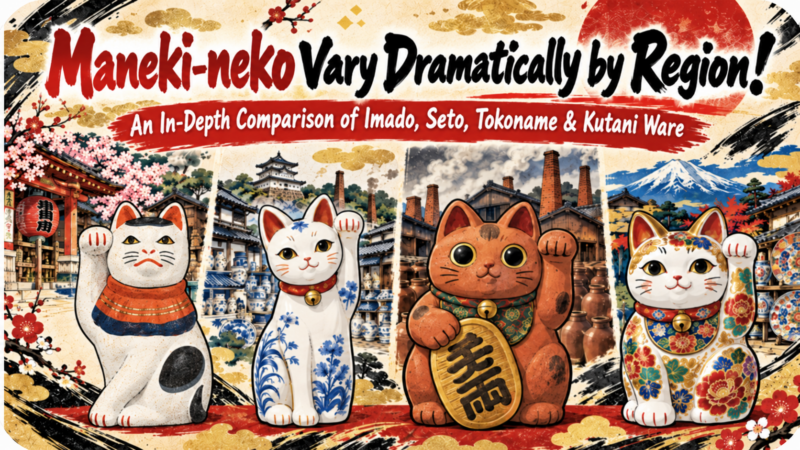
8. Understanding the Regional Origins of Maneki-neko: The Differences Between Seto, Tokoname, Kutani, and Imado Ware

Although they are all maneki-neko, their appearances can be remarkably different. Some are slender and elegant, some have round faces and large eyes, some are decorated with vivid colors, while others retain the rustic warmth of clay. These differences developed from the materials, techniques, and histories of the regions in which they were made. Imado Ware: Rustic Cats Born from… Read more ›
2026.09.05 7. A Journey Through Japan’s Maneki-neko Culture: 15 Lucky Cat Destinations Worth Visiting Kilns & Craft

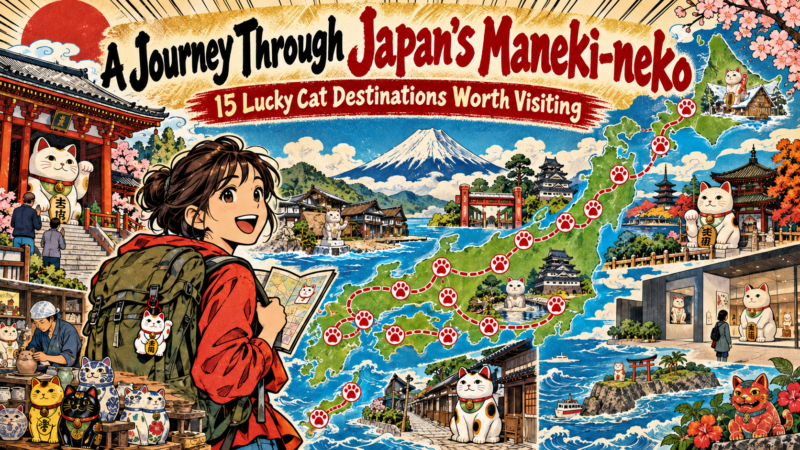
7. A Journey Through Japan’s Maneki-neko Culture: 15 Lucky Cat Destinations Worth Visiting

If you want to gain a deeper understanding of the maneki-neko, one of the best ways is to visit the temples, shrines, pottery towns, and museums connected with its history. From places associated with origin legends to towns renowned for ceramic production, here are 15 of Japan’s most notable maneki-neko destinations. Opening hours, closed days, exhibitions, and festival schedules are… Read more ›
2026.09.05 6. Asakusa and the Maneki-neko: From Imado Ware and Marushime-neko to the Present Day Basics

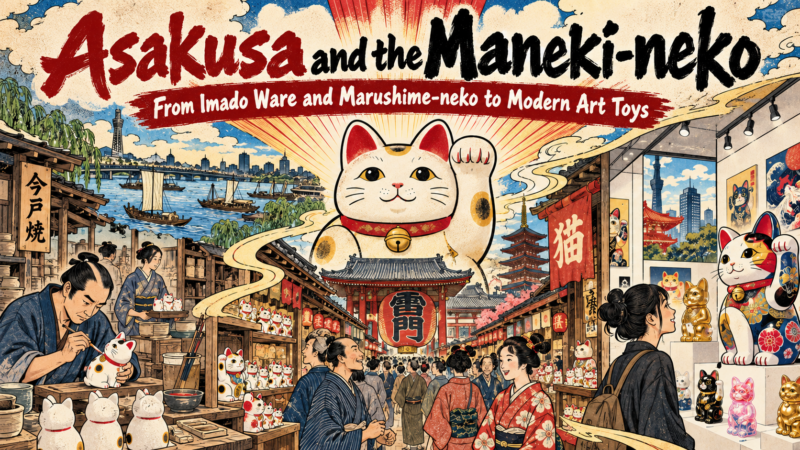
6. Asakusa and the Maneki-neko: From Imado Ware and Marushime-neko to the Present Day

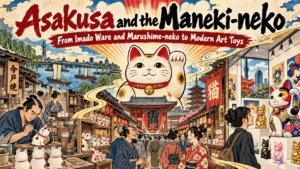
Asakusa, Tokyo, has long been a gathering place for temples, shrines, theaters, street entertainment, souvenir shops, and traditional craftspeople. It is also an essential place in the history of the maneki-neko. Imado Ware Grew Beside the Sumida River Imado ware is a type of pottery traditionally produced around present-day Imado in Tokyo’s Taito City. With clay available near the Sumida… Read more ›
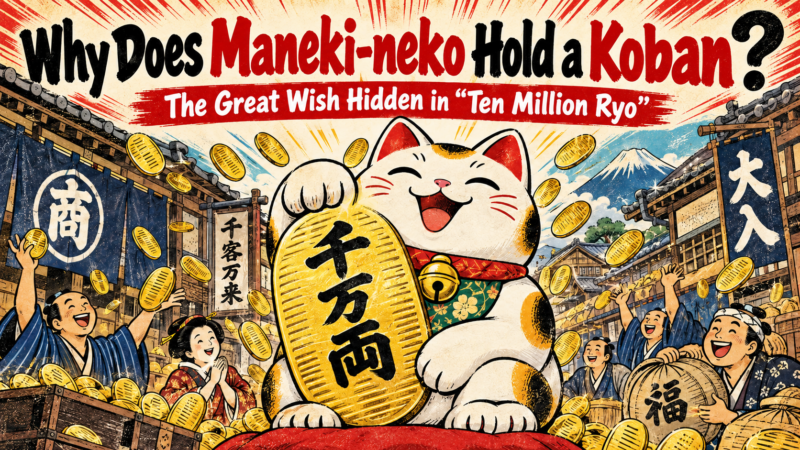
2026.09.05 5. Why Does Maneki-neko Hold a Koban? The Meaning Behind “Ten Million Ryō” Basics
5. Why Does Maneki-neko Hold a Koban? The Meaning Behind “Ten Million Ryō”

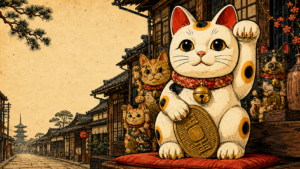
Look closely at a maneki-neko and you may see it holding a large, oval-shaped gold coin against its chest. The coin may be inscribed with words such as “One Thousand Ryō,” “Ten Million Ryō,” “Good Fortune,” or “Good Luck.” But why did these beckoning cats come to hold koban coins? Koban: A Symbol of Wealth in the Edo Period A… Read more ›

Most read